YANKTON SIOUX TRIBE TO BUILD TINY HOMES FOR VETERANS
YANKTON SIOUX TRIBE TO BUILD TINY HOMES FOR VETERANS
Alyssa Mathis
Following the building of the Veterans Community Project in Sioux Falls, which is a tiny home community that was built to help aid in the efforts to end Veteran homelessness in the Sioux Falls area, the Yankton Sioux Tribe decided to adopt the same type of mission, to create a Veteran’s tiny home community outside of the Wagner city limits. This community will be built south of Wagner approximately three miles on ten acres of land.
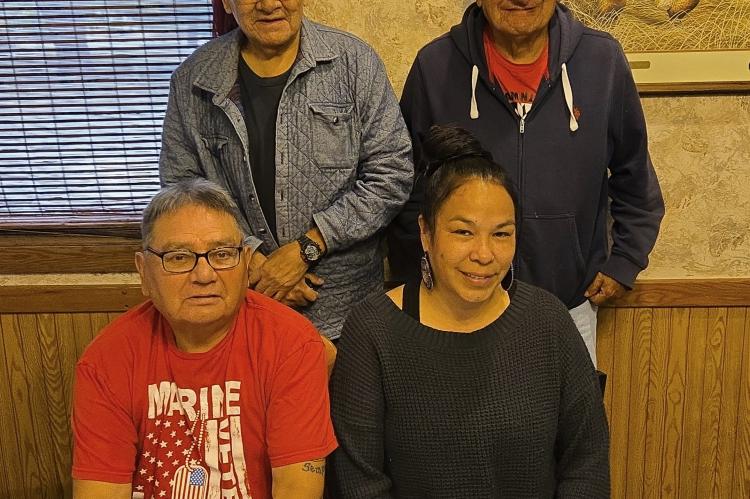
What aroused the YST’s interest in this type of project was when the YST Business and Claims Committee was contacted by Adrian Van Bochove, who was one of the sponsors of the first ten Veteran tiny homes that were built in Sioux Falls with a request of the YST sending a group of Veterans, the Business and Claims Committee and a medicine man to not only tour the community and homes, but also to give a blessing. This event in March of 2024 became the catalyst that would spark the YST’s desire to create its own Veterans tiny home community.
There is a great need for this type of Veteran housing, as 60 of the 90 currently enrolled YST members that are Veterans are considered homeless. YST members that have been crucial to the process thus far include Dennis Rucker (Veteran), Pete Kazena (Veteran), Jerry Zephier (Veteran), YST Chairman Robert FlyingHawk and the YST Business and Claims Committee, Dayla Picotte in particular. The goal of this Veteran tiny home community is to build a community around the YST Veterans; to create a community of Veterans helping Veterans. The project may start off relatively slow and small only building one to two homes at a time, but the end goal is to have ten homes built in total with the eventual expansion of the community to have its own American Legion Hall/VFW Hall that would possibly hold bingo as well as serve as a location where wakes and end of life services could be held.
The criteria that must be met in order to apply for these tiny Veteran homes include being a homeless YST Veteran, willingness to work with Indian Health Services and or the Canku Teca Treatment Center in order to become and or maintain independence from alcohol and drugs as the community will be alcohol and drug free, and completing the paperwork with the YST Tribal Veteran Service Officer (VSO), Dennis Rucker. There are several Veterans that are already on the list for the tiny homes. The tiny homes will come in two different sizes being made for a single person or a couple. The single occupant dwelling will be 16 ft x 40 ft in size with the double occupant being just a bit larger at 16 ft x 50 ft. As of right now, each tiny home will have a deck, one or two bedrooms, a bathroom, kitchen and living room. These homes will be designed to be handicapped accessible and can be modified for specific disability needs. The cost to build each tiny home is estimated to be $150,000. There will also be a board of directors for the community. This board will set the guidelines more specifically for applicants, will form a selection committee, collect payments and eventually hire a custodian as well as a grounds keeper. Of course, like any other construction project there have been setbacks and challenges that have delayed progressing the project to the building phase. One of the biggest challenges has been choosing the location, with the location switching four different times before finally choosing the current location. There were several guidelines that had to be followed in the choosing of the location including making sure it will be a safe environment; testing the soil; and finding a location that can have water and electric lines ran to, etc.
If everything goes as planned and there are no major setbacks the YST is hoping to break ground on the project next spring and have the first two tiny homes built by the middle of the summer. The project is currently at the step of turning in all of the paperwork to the Bureau of Indian Affairs. Once this step is completed the resolution will be presented before the tribal council for approval; once approved then bidding for the contract will begin and be open for 30 days followed by the awarding of the contract to the best bidder.