

SUPPORTING CHILDREN THROUGH BIG FEELINGS, BULLYING AND A DIVISIVE CULTURE
SUPPORTING CHILDREN THROUGH BIG FEELINGS, BULLYING AND A DIVISIVE CULTURE
PART ONE: HOW ADULTS’ MODEL & THE IMPACT ON MENTAL HEALTH
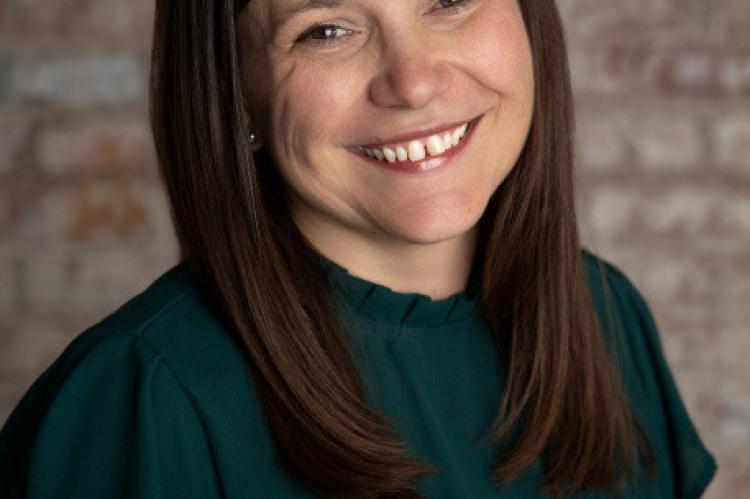
Melanie Vanderpol-bailey, Msw, Csw-pip
Bullying is not “kids being kids,' tearing down others emotionally or physical aggression against another person is not “girls just being mean” or “boys being boys”. Harm is harm. The Oxford dictionary defines bullying as: seek to harm, intimidate, or coerce (someone perceived as vulnerable). As parents and adults in communities where we know and support one another, we need to be so very mindful that we live in a world that often rewards the loudest voices and justifies cruelty. Children are absorbing harsh language from the media, online cruelty, and polarized (us versus them) thinking. Our culture seems to place a higher regard on power and performance, versus how we treat people. Without conversations and guidance, children may believe that their worthiness rests solely on how they perform, and what others may say about them.
How we as adults show up in these moment’s matter, not just for a child’s sense of safety, but more importantly for their sense of self. Children don’t learn by being told to “be nice”, they learn by how the adults handle conflict, differences, and power.
Bullying can transform into a relational wound that can stay with someone for a lifetime. Many adults live with an injurious memory of a moment or season when mistreatment by another harmed their heart. These injuries have the potential to transform into an inaccurate belief about a person’s identity and worth. Gabor Mate, a famous doctor, author, researcher, and holocaust survivor shares that “trauma is not the event, it is the wound that happens inside of you.”
When children are bullied often, their stress response system is activated in powerful ways. Peer relationships are tied to a person’s self-esteem, identity formation, emotional safety and academic confidence. When children are repeatedly excluded, mocked or targeted, their nervous system goes into protection mode and the brain is doing its best to survive a perceived social threat. As a caregiver, you may notice increased anxiety or school, avoidance, emotional meltdowns or outburst at home, somatic changes like stomach aches, headaches, changes in sleep, or appetite, negative self-talk and self-doubt.
Next month I will talk more about how to help our children through these moments of bullying. Today I want to highlight our part as the adults, by inviting you to look at the landscape of your life and how kindness is modeled. Kindness is not passive. It will fall flat every time if we simply tell our children to follow the golden rule. We must teach them the skills. They are learning every day by our actions and behaviors. How do we model power? How do we talk about people who are different? How do we handle conflict and disagreements? How do we repair when we mess up? These questions are invitations to reflect and begin to be aware of the sneaky ways that divisiveness shows up in our daily lives. Discernment is a daily decision. Life can feel overwhelming to us as adults. Imagine how overwhelm and cruelty can become magnified in a child’s developing brain? Children can learn to do the next right thing when they see the adults in their life doing just that.
At Rural Roads Counseling, every road to wellness begins with compassion-supporting rural lives, one healing step at a time. You may reach out to Melanie VanderPol-Bailey, Licensed Clinical Social Worker at Rural Roads Counseling and Consultation in Platte at 605-550-2473; Danica Zomer, Clinical Social Worker at Midwest Mindset Counseling in Corsica at 605-416-9890; Nicole Van Zuidam, Licensed Marriage and Family Therapist at Junction Therapy in Platte at 605-215-1102 and Bethany Eggers, Licensed Professional Counselor at Open Door Counseling in Platte at 605-202-2712.