Library news
The following article is from Leslie Morrison, CTD Summer Leapfrog Coordinator and can be found on the Northwestern University website. The Library has many graphic novels to be checked out! Enjoy!
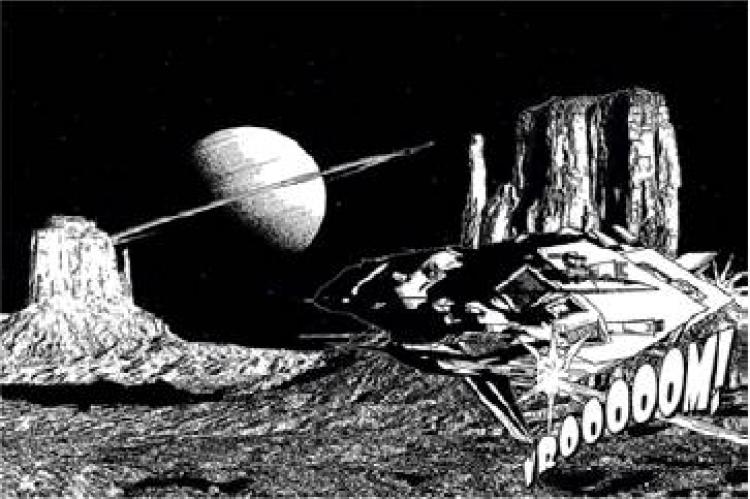
Over the last decade, graphic novels have become a popular format in classrooms, partly due to their appeal to reluctant readers. More recently, a growing body of research, focused on how the brain processes the combination of images and text, indicates that graphic novels are also excellent resources for advanced learners.
When students read visual narratives, the activity in the brain is similar to how readers comprehend text-based sentences. However, when students learn to read graphic novels with an analytical eye, depth and complexity are added to the reading process.
With graphic novels, students use text and images to make inferences and synthesize information, both of which are abstract and challenging skills for readers. Images, just like text, can be interpreted in many different ways, and can bring nuances to the meaning of the story. In this form of literature, the images and the text are of equal importance—the text would not fully make sense without the images, and the reverse is true as well.
Graphic novels can also challenge students to think deeply about the elements of storytelling. In a traditional text, students uncover meaning embedded in sentences and paragraphs. In graphic texts, students must analyze the images, looking for signs of character development, for example, or clues that help build plot. All of this experience developing textual and visual reading skills contribute to students’ understanding of their world — the ways the text and images all around them communicate — and in turn help them in crafting their own stories.