
LEGISLATIVE REPORTS
LEGISLATIVE REPORTS
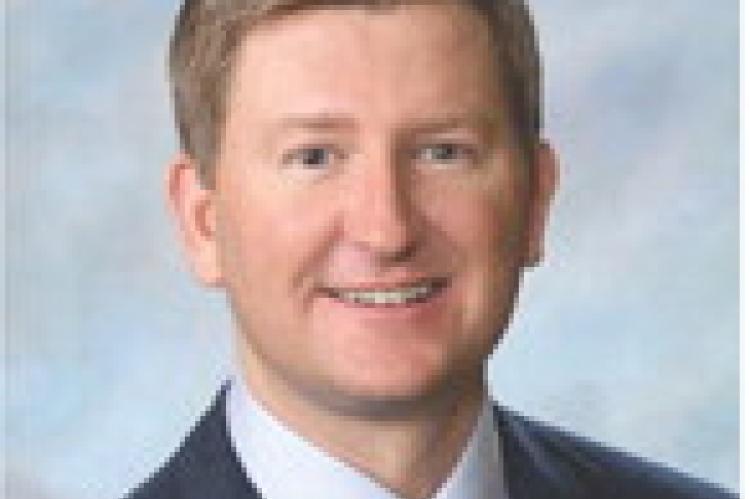
Rep. Drew Peterson District 19
We hit a milestone this week: the 2026 session is officially past the halfway mark. That being said, we’re staring at a mountain of work before crossover day (the date that bills have to pass out of their chamber of origin, so House bills have to pass out of the chamber, and vice versa) by next Tuesday. I’m anticipating it to be one of the busiest weeks of the Legislative Session. Governor Rhoden signed SB 2, the bill I carried in the House to remove suppressors from South Dakota’s definition of a controlled weapon. This practical change recognizes suppressors for what they are—safety devices that protect hearing and reduce noise. I’m glad to see it become law, and I appreciate everyone who helped bring it across the finish line. One theme that keeps showing up this year is a steady stream of overreaching bad bills. Too many proposals lean toward more regulation, less local control, and weaker property rights. In many cases, they try to solve one acute, local problem with a statewide rule that affects everyone, whether or not it fits their community. That’s not how South Dakota has traditionally done things, and it’s not a direction I’m interested in moving in. I worked with others to help stop three bills that I believe would’ve created more problems than they would’ve solved. HB 1267 would’ve forced statewide brand inspections by expanding them to East River, and producers back home were clear: they don’t want it. This new mandate would create real costs and real headaches for cow-calf, cattle feeders, dairies, and especially our sale barns. This legislation raises a serious concern that producers would drive to other states to sell their cattle. East River cattle producers have very different operations, environments, and circumstances. Mandating brands only created burdensome regulation, not a solution — I will continue to advocate against it. My commitment to District 19 is to make decisions to help keep our taxes low and ensure our tax dollars are spent responsibly. HB 1273 would overregulate gravel and aggregate mining and impose a $50,000 permit fee that would recur every five years. Gravel is a building block for roads, farms, and rural growth. A fee like that doesn’t just land on “industry”—it gets passed down to counties, townships, projects, and taxpayers. As a community and district, many of us rely on gravel roads to farm, haul feed, drive to town, and much more — a fee like that would’ve meant $350,000 every five years in my neighborhood alone. That doesn’t stay on a balance sheet. It shows up in higher bids, tighter township budgets, and more pressure on the very road systems we depend on (ultimately falling back on the taxpayer). HB 1198 would take away local control and property rights by giving adjacent governing bodies zoning and permitting authority over properties outside their own jurisdictions. I don’t think one area should be able to cross a line and tell another community— or a private landowner—what they can do on their own land. If we believe in local control, we should practice it. We’re going to keep seeing proposals like these as the session moves along. I’ll keep pushing back when bills drift away from common sense, rural practicality, and the South Dakota approach: limited government, local decision-making, and respect for private property. One of the best parts of this week was getting to visit with people who live the issues we debate. We had a strong showing from District 19 and from groups across the state, and those conversations always make Pierre feel a little closer to home. I enjoyed visiting with Becky Haenfler from Avon, who was recognized as Teacher of the Year. It was well-deserved, and it’s a good reminder that strong schools in small towns don’t happen by accident—they happen because great teachers choose to stay and serve. I also welcomed the Hanson and Montrose senior classes—it’s always great to speak with high school students about the legislative process, and the more students I meet, the more confident I am in South Dakota’s future. We also had folks in town from Farm Bureau, SD Trucking Association, and SDARL, along with representatives from banks and credit unions, including leaders from the Explorers credit unions in Tyndall and Scotland. Hearing from the folks who finance equipment, manage operating lines, and keep Main Street moving matters right now, as the farm economy remains tight. After a couple of tough years, many producers are looking at another challenging year ahead, and we need a win. My colleagues and I are working on making E15 easier to access. We hope to have something to note this week as details get ironed out. In the weeks ahead, I’ll continue to keep you informed. I also enjoy hearing from each of you—reach out at Drew.Peterson@sdlegislature.gov with your thoughts, concerns, and advice anytime.