

"IT'S A DRAG, AND IT, BEST WORK"
"IT'S A DRAG, AND IT, BEST WORK"
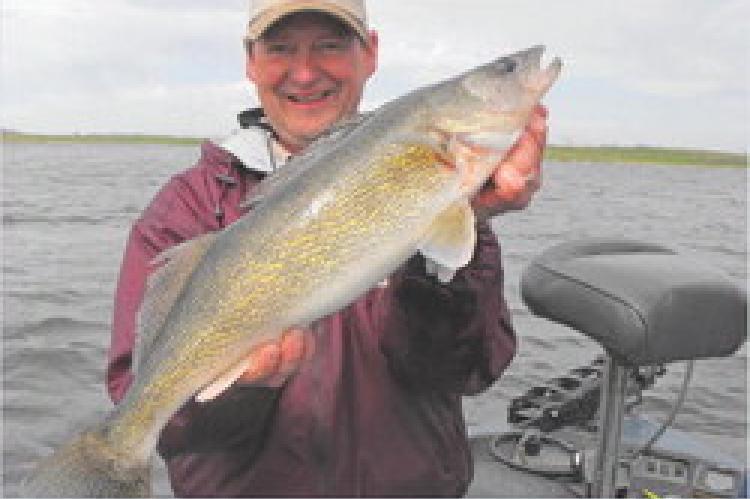
No matter, what you’re fishing for, every reel has some sort of a drag: star, front mounted, center mounted, rear mounted drag system.
If you put your rod and reel away for winter without loosening the drag, the fiber washers maybewetandpossiblybecome frozen or stuck together, so it’s very important to back your drag off before putting them away for the season.
Your reel drag setting is important, as it lets your spool with your line slide when extra pressure is put on your line There are some anglers who think the only drag they can rely on is the reel drag, Wrong! Others, don’t realize the importance of the lack of a heavy drag in playing a fish. While it’s true a drag needs to be set tight enough to work fish out of heavy brush and trees.
For normal fishing, the drag should be set at about 1/4 of the linesbreakingtest.Agoodmethod of checking your drag would be to pull on your line, exerting slight pressure and if the drag doesn't allow you to pull line from the reel, it's more than likely set too heavy or tight.
Why, because as more line is stripped from the reel, the friction of the line running through the wateractuallyincreasesthedrag, at times doubling the amount of drag being applied.
Another reason that a drag should be set loosely is that it can always be tightened. A tight drag can’t always be loosened, especially when you're fighting a bigfishasyou'reconcentratingon getting the fish in.
Your second drag is your fingers or a couple of them. Regardless, the manual finger drag you can apply to the line at any given time is invaluable when playing a big fish.
When using a bait casting reel, your thumb handles the second drag chores, most fishermen are aware of this! But when it comes to spinning, fly-fishing and spin casting,manyfolksthinkthedrag on the reel they set is the only drag they have.
Also, when a fish is brought to the boat or the shore, there’s a good chance that it will make a sudden lunge and if your drag is set too tight, it may break off or pull loose. With a loose drag this won’t happen.
Withthe“second“draginhand and the reels drag set loosely, you’re always in control. If you need to tighten the drag, just apply finger pressure to the line spool. This way, if the fish should make a sudden lunge, you can easily let off the finger drag and allow him to pull against your loosely set drag.
Anotherpieceofyourequipment, when used properly in combinationwiththedragwill help you to land a big fish, and that’s your rod as the right action rodwillbendwhenthefish makes a run, taking pressure off of your line.
When fighting a fish, keep your rod tip high, allowing the pressure to be taken off the drag absorbed by the rod. Then, keeping the line tight, reeldowntowardsthefish,then bring your rod back to a high position, allowing the flex in the rod to put pressure on the fish and then reeling as this allows the rod to do the work, whilenotoverworkingthedrag The important thing to remember is to allow your rod to work properly and that the second drag, our fingers will always be there if you need to apply more pressure.