

DOVE HUNTING 2023
DOVE HUNTING 2023
Gary Howey Www.garyhoweysoutdoors.com
If you want to be ready for the upland game bird season, get a little practice in early by hunting doves.
In Nebraska, the dove season runs from Sept. 1 – Oct. 30, be hunted throughout the state, with daily bag and possession limits of 15 and 45.
In Nebraska, hunters who are planning to hunt doves between Aug. 1 and July 31 of the following calendar year must register with HIP before hunting.
In South Dakota the season opens up on Sept. 1 through Nov. 9, and like Nebraska has a limit of 15 and 45, with all hunters going after migratory birds must have a South Dakota migratory bird certification.
Doves are the most popular game bird in the United States and the most popular game bird in the country when it comes to numbers harvested.
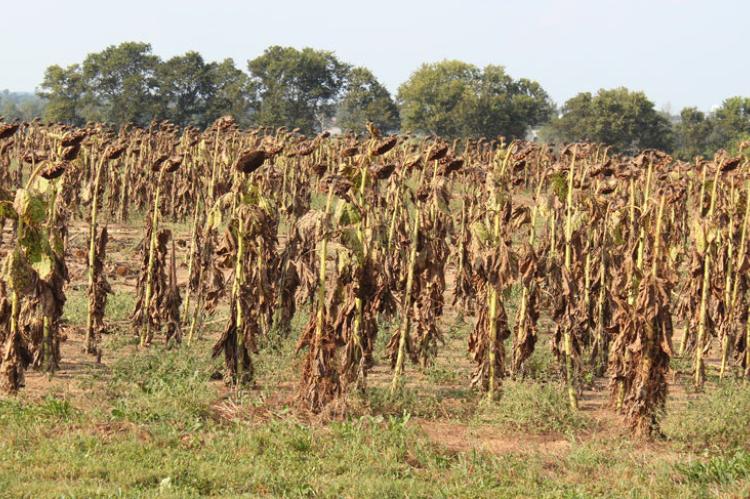
Some of the best places where doves can be found are crop fields, wheat and sunflowers and around stock dams.
You best be on the top of your game when hunting these acrobatic speedsters as they seldom fly in a straight line, changing their flight path in a second, with the ability to fly up to fifty-five miles per hour.
It doesn’t take much for these birds to begin their southerly migration, where a weather change, cooler nights, rainy days, they’ll bunch up and if these conditions continue, head south.
Doves, are seed feeders, feeding in grain fields including millet, wheat and sunflower as well as fields that contain rag weed and marijuana as dove love the small seeds these weeds produce.
If there’s rag weed and hemp around the ponds, the doves will continue to come in to feed throughout the day.
The hunters I hunt with, have quite a selection when it comes to shotguns which include; twenty gauge, twenty-six and twenty working well for doves, we use trap loads seven and a half, eight and nine shot, depending on what loads are on sale prior to the dove season.
Some of the best hunting can happen near waitering holes in the early morning as the birds fly out from their roost and late afternoon when the birds come to drink as they make their way back to roost, before calling it a day.
When hunting around ponds, it’s best to have several hunters stationed on either side of the water to keep the birds moving and because doves are such erratic flyers, you never know what direction they’ll come from and by having hunters around the pond or on different ponds in the area, where the other hunters are able to let you know if the birds are coming in from behind.
When dove hunting, there’s quite a difference in shooting a dove, to pick off these swift little flyers as it’s been said that you’re a darn good shot if you average less that ten rounds per bird.